
Blog / Benton Ford Dealer

Tire Safety Standards: What Every Driver Needs to Know

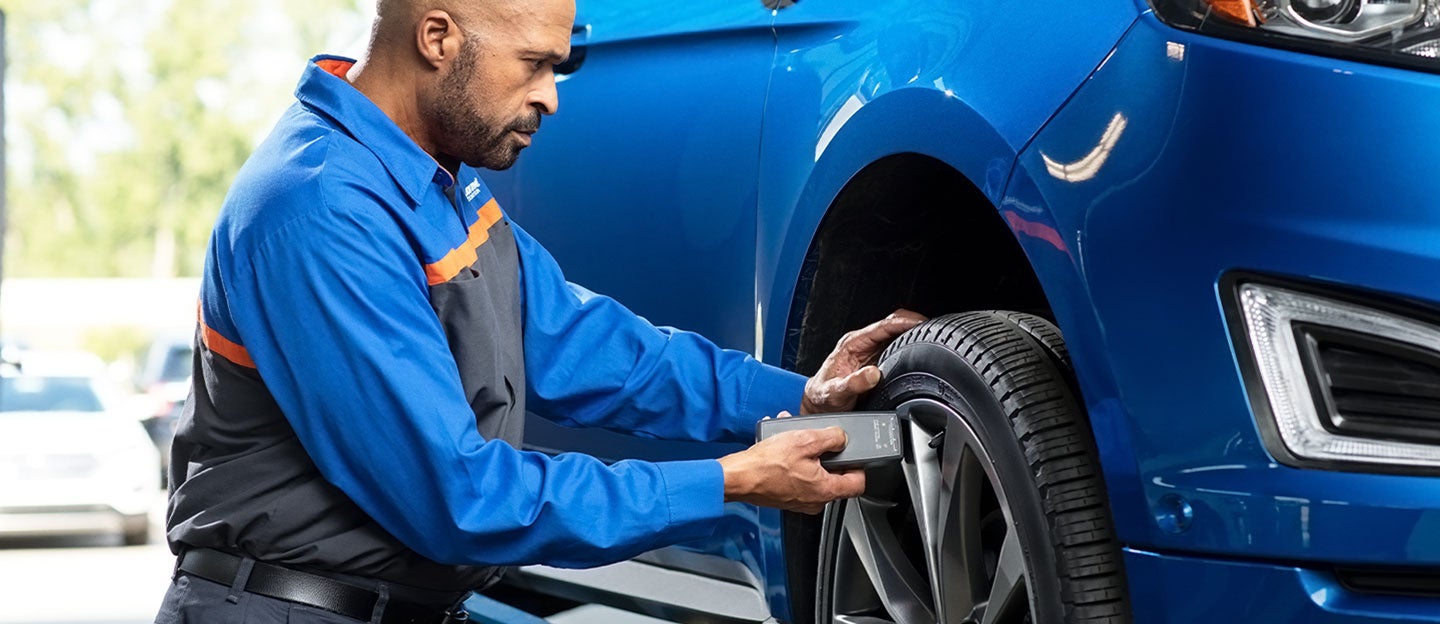
Technician inspecting car tire with device

The quality of a vehicle’s engineering is often judged by the elements drivers can see and touch, such as the design of the cabin, the technology on display, and the way a vehicle accelerates or corners. However, some of the most important engineering decisions are found much closer to the road, where performance and safety are ultimately determined. That is why routine inspections and maintenance at our certified Ford service center play such an important role in long-term vehicle performance.

Your tires are the only components connecting your Ford to the pavement. Every steering input, braking maneuver, and mile traveled relies on four contact patches, each remarkably small considering the responsibility they carry. Understanding tire safety standards is ultimately about understanding how that connection is maintained and optimized for safety and performance.

Why Tire Ratings Exist

Modern tires are asked to perform an extraordinary number of tasks simultaneously. They must provide grip in dry conditions, maintain stability in heavy rain, support substantial loads, and withstand years of exposure to heat, weather, and changing road surfaces. Tire ratings exist to help consumers understand how well a tire is designed to perform those tasks.

The Uniform Tire Quality Grading system evaluates tires in three primary areas: treadwear, traction, and temperature resistance. Treadwear ratings provide an indication of expected longevity, traction grades offer insight into wet-surface performance, and temperature ratings evaluate how effectively a tire manages heat generated during operation. While these figures may appear technical, they serve a practical purpose by helping drivers select tires that complement both their vehicle and the conditions in which it will be used.

The Importance of Routine Inspection

Well-designed components still require attention. Regular tire inspections remain one of the simplest and most effective ways to maintain vehicle safety. Tread depth, inflation pressure, and overall tire condition all contribute to how a vehicle behaves in everyday driving situations.

As tread depth decreases, a tire becomes less effective at dispersing water from beneath its contact patch. Braking distances can increase, particularly in wet conditions, and overall grip may be reduced. The sidewall also deserves equal attention, as cracks, bulges, or visible damage can indicate structural concerns that warrant professional evaluation. These issues are often subtle at first, which is why periodic inspections are so important.

Tire Pressure Is More Important Than Many Realize

Few maintenance items influence vehicle performance as directly as tire pressure. A tire operating below its recommended pressure can generate excess heat, wear unevenly, and compromise fuel efficiency. Excessive pressure can alter ride quality and reduce the tire’s contact area with the road surface.

Ford engineers specify tire pressures based on a vehicle’s weight, suspension calibration, and intended performance characteristics. These recommendations can be found on the driver’s door jamb and should be viewed as part of the vehicle’s overall engineering design rather than a simple suggestion. Checking tire pressure regularly remains one of the most beneficial habits any driver can develop.

Age Matters Alongside Tread Depth

One of the more overlooked aspects of tire ownership is age. A tire may appear healthy and still possess substantial tread depth, yet time gradually affects the rubber compounds from which it is made. Exposure to sunlight, temperature fluctuations, and environmental conditions slowly alters the material’s properties.

This is why manufacturers recommend monitoring tire age in addition to visible wear. The manufacturing date can be found within the DOT code on the sidewall, providing valuable information about a tire’s service life. Like many engineered products, tires are designed with both mileage and time in mind.

Choosing the Right Tire for Your Ford

Every Ford vehicle is developed around specific tire specifications. A Ford F-150® has different requirements than an Escape®, while an Expedition® places different demands on its tires than a Mustang®. Load capacity, handling characteristics, ride quality, and overall vehicle dynamics are all influenced by tire selection.

Choosing replacement tires that align with the original specifications helps preserve the balance engineers intended when the vehicle was developed. The goal is not simply finding a tire that fits the wheel, but selecting one that supports the vehicle’s broader design philosophy.

Confidence Begins Where the Tire Meets the Road

Tires rarely attract much attention when everything is working properly, and in many ways that quiet performance is a testament to their design.Drivers throughout Benton, AR can rely on the team at Everett Ford for tire inspections, rotations, balancing, alignments, and replacement services. A professional evaluation can help ensure that your Ford continues to perform as its engineers intended, maintaining the connection between vehicle and road that makes every journey possible. 
Posted in:

Related Posts

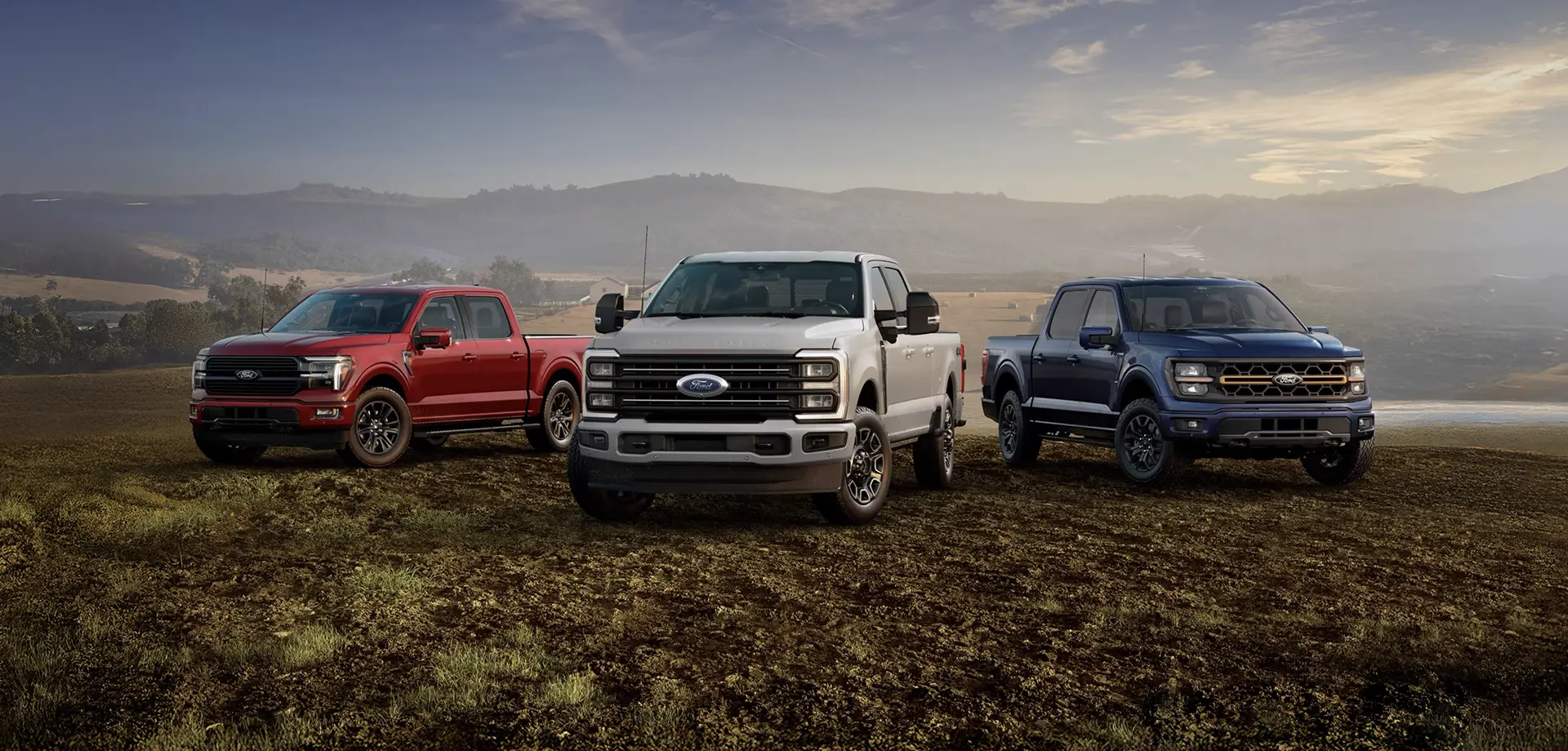
Ford F-Series trucks lineup outdoors

Best Ford Vehicles for Commuters: Efficiency, Comfort, and Technology Compared

Why Your Daily Drive Deserves the Right Ford Spending hours driving means your vehicle choice heavily impacts your daily routine. The best commuter models combine efficiency, comfortable seating, and smart technology to make long drives enjoyable. From stop-and-go city traffic to open highway cruising, the Ford lineup offers excellent daily drivers. Drivers can count on Everett Ford in Benton, AR, to find the perfect commuter vehicle to elevate their everyday travel experience. Ford Maverick: The Compact Hybrid Workhorse The Ford Maverick gives daily commuters incredible versatility alongside excellent fuel efficiency. The standard 2.5 L hybrid powertrain delivers standout fuel economy for a pickup truck. Its compact footprint makes parking in tight city spaces simple, and the cabin features clever storage solutions. You get a capable truck that maneuvers easily through crowded streets. Ford Escape: Comfortable, Connected, and Capable The Ford Escape stands out as a premier commuter SUV. You can choose from hybrid and plug-in hybrid options to match your driving habits and charging access. The spacious cabin features Ford Co-Pilot360© Technology, providing driver-assist features to reduce fatigue during long trips. The available SYNC 4© touchscreen seamlessly connects you to navigation, Apple CarPlay©, and Android Auto© for hands-free calls and media. Ford F-150 Hybrid: Full-Size Comfort for Daily Driving The Ford F-150 PowerBoost Full Hybrid transforms the full-size truck into a refined daily driver. It perfectly suits professionals who haul equipment to job sites and attend meetings across town. The spacious crew cab ensures you arrive relaxed and comfortable. The Pro Power Onboard generator provides mobile power anywhere your workday takes you. Ford Mustang Mach-E: An EV Built for the Road Ahead The Ford Mustang Mach-E delivers a premium, driver-focused electric vehicle experience. The available extended-range battery provides up to 320 miles of EPA-estimated range, easily handling your daily commute and weekend trips. The spacious cabin features a massive 15.5" touchscreen and available BlueCruise© hands-free highway driving technology. This all-electric crossover delivers an incredible mix of performance and long-distance capability. Ford Technology That Makes Every Commute Better Thoughtful technology across the Ford lineup drastically reduces driving stress. Ford Co-Pilot360© equips your vehicle with automatic emergency braking, blind-spot monitoring, and lane-keeping assist. The available BlueCruise© system enables hands-free driving on compatible highways to transform your daily commute. The Ford Connectivity Package adds a Wi-Fi hotspot, keeping you productive and entertained on the go. Find Your Perfect Commuter Ford in Benton, AR Ford offers incredible choices across trucks, SUVs, and electric vehicles for your daily drive. You can choose the outstanding fuel economy of the Maverick or the advanced electric range of the Mach-E. The best commuter vehicles balance comfort, efficiency, and safety. Connect with the team at Everett Ford in Benton, AR, to find a vehicle tailored to your daily routine. Browse our latest inventory to find your ideal match today.

Technician inspecting vehicle engine bay

When Should You Service Your Chevrolet? A Maintenance Guide for Long-Term Ownership

Protecting your vehicle investment starts with timely maintenance. If you drive a Silverado, Equinox, or Malibu, staying current on routine service helps your car last longer and perform better while avoiding costly repairs. The team at Everett Chevrolet in Benton, AR, is ready to help you maintain your vehicle. This guide highlights the key service intervals every driver should follow. Contact our service department today to learn more. Oil Changes: The Foundation of Your Chevrolet Maintenance Schedule Oil changes represent the most frequent and important service your Chevrolet requires. Modern models feature an oil life monitoring system that alerts you when it is time for a change. This typically occurs between 5,000 and 7,500 miles based on driving habits and oil type. Heavy towing or frequent city driving degrades oil faster. Adhering to proper oil change intervals keeps the engine clean and lubricated to ensure lasting reliability. Tire Rotation and Inspection Tires wear unevenly based on drive configuration and driving style. Chevrolet generally recommends a tire rotation every 5,000 to 7,500 miles. Technicians conveniently pair this service with oil changes while checking tread depth and inflation. Properly maintained tires optimize fuel efficiency, handling, and safety. Address tire maintenance early, as prevention remains much less expensive than replacement. Brake Service: When to Pay Attention Brakes serve as a critical safety system on your vehicle. Mechanics should inspect brake pads every 20,000 to 30,000 miles. City driving with frequent stops significantly accelerates pad wear. If you hear grinding or notice the vehicle pulling to one side while braking, visit a service center immediately. Delaying this service compromises stopping distance and often leads to severe rotor damage. Battery and Electrical System Checks Vehicle batteries typically last three to five years. Extreme weather and frequent short trips shorten this lifespan. Chevrolet recommends testing the battery during routine service visits as it approaches the three year mark. Slow engine cranking and dimming headlights indicate a weakening battery. Early detection prevents you from being stranded. Multi-Point Inspections and Fluid Services A comprehensive inspection checks coolant levels, transmission fluid, power steering fluid, air filters, belts, and hoses. Chevrolet advises a coolant flush at roughly 150,000 miles, while transmission fluid intervals vary by model. Following a consistent maintenance schedule from the owner's manual or a trusted advisor keeps these systems functioning together perfectly. Visit Your Chevy Service Center for Long-Term Peace of Mind Regular, proactive service ensures a long lifespan for your vehicle. A consistent maintenance plan covering oil changes, tires, brakes, and inspections offers the best way to keep your car running reliably. Drivers can visit Everett Chevrolet in Benton, AR, to keep their vehicles in top condition. Taking care of your car today helps you avoid major repairs tomorrow.

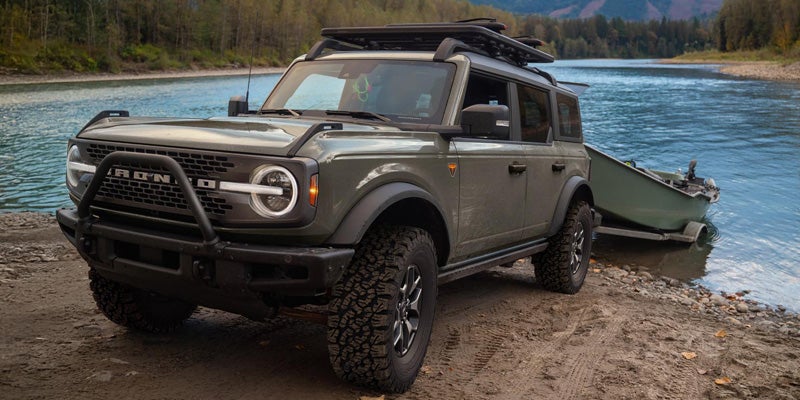
Gray Ford Bronco SUV near lake

2026 Ford Bronco vs. Bronco Sport

2026 Ford Bronco vs. Bronco Sport: Which SUV Fits Your Lifestyle? If you've been shopping for a capable, rugged SUV, you may have landed on weighing the differences between the 2026 Ford Bronco vs. Bronco Sport. Which SUV fits your lifestyle in Benton, Arkansas better? These two vehicles share a name and a spirit of adventure, but they're built for different kinds of drivers. Understanding where each one shines can help you make a confident decision before you ever set foot on a lot. The Rugged 2026 Ford Bronco The 2026 Ford Bronco was designed from the ground up as a serious off-road vehicle. The Ford Bronco lineup offers 3 robust EcoBoost® turbocharged engines ranging from 300 to 418 hp. It rides on a body-on-frame platform, which gives it exceptional durability and the ability to handle demanding terrain. Available in 2 and 4-door configurations with removable doors and roof panels, the Bronco becomes one with nature in a flash, bringing an openness to the driving experience in a way most SUVs simply can't match. The Bronco's ground clearance of up to an impressive 13.1” on the high-performance Raptor® variant, available solid axles, and trail-specific drive modes make it a go-to choice for drivers who want to take their adventures well beyond the pavement. When the Ford Bronco vs. Bronco Sport debate comes up among off-road enthusiasts, the Bronco almost always earns the edge. The Smart 2026 Ford Bronco Sport The Bronco Sport is a compact crossover built on a unibody platform, which makes it much more at home in everyday driving situations. It delivers comfortable handling, a manageable size for city streets and parking lots, and a practical cargo area featuring maximum of 65.2 cu. ft. with the rear seats folded flat that works well for families and commuters alike. It still offers meaningful off-road capability, carrying over the Bronco’s available G.O.A.T. (Goes Over Any Type of Terrain) drive modes, but it's better suited for light trails and weekend getaways rather than hard-core rock crawling. Drivers looking at the Ford Bronco vs. Bronco Sport who prioritize daily comfort and fuel efficiency tend to lean toward the Sport. Comparing Interior Space and Family-Friendly Features For families considering the best Ford SUV for their needs, interior space matters. The Bronco Sport, being more everyday-driver-focused, offers a more refined cabin with easy access and a layout that feels familiar and practical. It's a great fit for school runs, grocery trips, and road trips with the kids offering up to 83.0 cu. ft. of cargo space and about 37” of rear legroom. The full-size Bronco has a more utilitarian interior, which some drivers love for its toughness. The 4-door model offers solid rear passenger space but it is slightly less than the Bronco Sport—and the Bronco’s overall feel is more adventure-ready than luxury-forward. If you're focused on the best Ford SUV for families who also want off-road capability, the 4-door Bronco is worth a serious look. Which 2026 Ford Bronco Configuration Is Right for You? Choosing between the 2026 Ford Bronco vs. Bronco Sport really comes down to how you use your vehicle. If weekends mean dirt roads, mud, and rock trails, the full-size Bronco is built to keep up. If you need a versatile daily driver that can still handle a gravel path or the rare snowy road in Benton, Arkansas, the Bronco Sport delivers a well-rounded experience. But the Bronco Sport is really more commuter and daily driver needs, offering a solid 27 MPG combined on some models to the Bronco’s about 20 MPG combined. Both models carry that iconic Bronco spirit, but they serve different purposes. Think about your daily routine, your adventure goals, and who's typically riding along with you. Whether you're drawn to the trail-ready power of the full-size Bronco or the everyday versatility of the Bronco Sport, there's a Ford SUV built for the way you live. Stop by Everett Ford in Benton, Arkansas. See both models up close, take one for a test drive, and let the right choice make itself clear.