

The monthly car payment has become one of the more fascinating pieces of modern economics. Not because it is complicated. Quite the opposite. It is where a sprawling network of global manufacturing, commodity pricing, monetary policy, consumer confidence, and household budgeting all converge into a single number that appears on a finance contract. Most buyers don't walk into a dealership thinking about inflation data or Federal Reserve policy. They walk in wondering why a vehicle that seemed affordable three years ago suddenly produces a very different monthly payment today. The answer is that the automotive marketplace doesn't exist apart from the economy. It reflects it.
Inflation Begins Long Before the Vehicle Reaches the Showroom
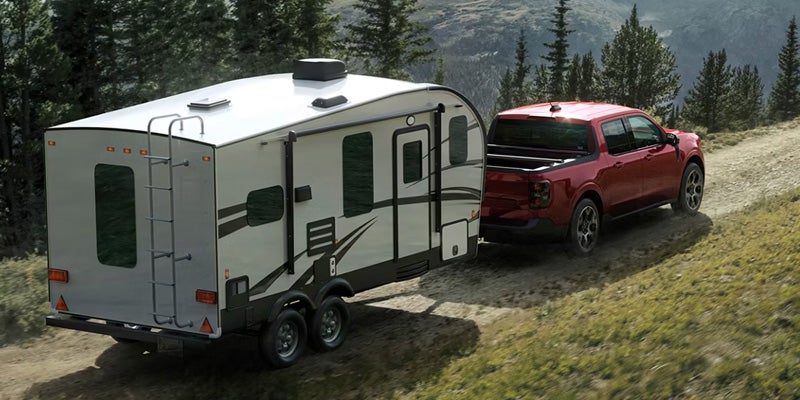
A vehicle is the sum of thousands of individual components. Steel, aluminum, semiconductors, glass, plastics, transportation services, labor, and energy all contribute to the final product. When inflation increases the cost of those inputs, the effect eventually works its way through the manufacturing process and into the vehicle's final price. The result is straightforward. A Ford Maverick® that costs more to build ultimately costs more to purchase. A Ford Super Duty® that requires more expensive materials and logistics eventually arrives at a higher transaction price. For the consumer, that means financing a larger amount before interest rates even enter the conversation.
Interest Rates Change the Cost of Borrowing
Vehicle prices tell only part of the story. The second variable is the cost of money itself. When interest rates rise, borrowing becomes more expensive. The effect can be subtle at first glance. A percentage point or two may not appear dramatic until it is applied to a loan balance over five, six, or seven years. That is where monthly payments begin to shift. A buyer financing the same vehicle at different interest rates can end up paying substantially different amounts over the life of the loan. The vehicle has not changed. The economics surrounding it have. This is one reason interest rates attract so much attention despite being largely invisible to most consumers.
The Appeal of Fixed-Rate Financing
One advantage of traditional auto financing is predictability. Most vehicle loans use fixed interest rates, meaning the payment remains consistent throughout the term of the loan. In an environment where economic conditions can change quickly, there is a certain comfort in knowing the number on the payment coupon will remain exactly where it started. Financial certainty has value of its own. It allows buyers to plan, budget, and make decisions without wondering what next year's interest rate environment might look like.
Longer Loans Solve One Problem While Creating Another
Higher vehicle prices and higher interest rates often encourage buyers to extend loan terms. The logic is understandable. A 72-month loan generally produces a lower monthly payment than a 48-month loan. The complication is that mathematics remains stubbornly indifferent to good intentions. A longer loan may reduce the monthly burden, but it also increases the total amount of interest paid over time. The vehicle becomes easier to afford each month while becoming more expensive overall. Neither approach is inherently right or wrong. It simply requires understanding the trade-off.
Why Preparation Matters More Than Ever
In a market shaped by inflation and elevated borrowing costs, preparation becomes increasingly valuable. A larger down payment reduces the amount financed. Pre-qualification provides clarity before negotiations begin. Understanding your budget before arriving at the dealership removes much of the uncertainty from the process. The most successful vehicle purchases are rarely impulsive. They tend to be informed. Fortunately, modern shopping tools make that process considerably easier. Buyers can research inventory, compare configurations, estimate payments, and evaluate financing options long before making a commitment.
The Monthly Payment Is Telling a Bigger Story
A monthly payment may seem like a simple number, but it is influenced by many factors working behind the scenes. Inflation can impact vehicle prices, interest rates affect borrowing costs, and loan terms all play a role in determining affordability. While understanding these factors may not always lower your payment, it can give you a clearer picture of your options and help you make a more informed decision when choosing your next vehicle.
Visit Everett Ford Today
Drivers throughout Benton, AR can explore financing options, compare available Ford models, and utilize planning tools at Everett Ford to better understand how today's market conditions may affect their next vehicle purchase. A well-informed decision remains the most valuable feature on any vehicle.